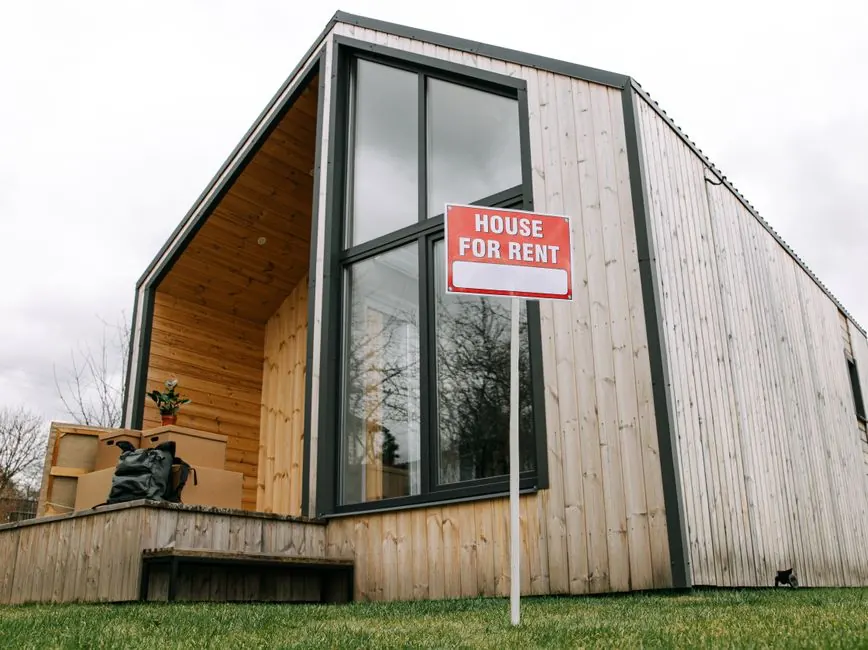
In Miami, the responsibility for mold in a rental property typically falls on the landlord, unless otherwise specified in the lease agreement. Understanding this can help tenants and landlords navigate mold issues effectively.
This article explores the nuances of mold responsibility in Florida rentals, including specific obligations for landlords and tenants, and what to do if mold is discovered in your rental property.
Who is Responsible for Mold in a Miami Rental?
The primary responsibility for mold in a Miami rental generally lies with the landlord, who is required to maintain the property in a habitable condition. This includes addressing any water leaks or moisture issues that could lead to mold growth. If a tenant discovers mold, they should notify the landlord immediately.
Understanding Mold Responsibility in Florida Rentals
Mold responsibility in Florida rentals is governed by state law and local ordinances. Florida law mandates that landlords must keep rental properties in a safe and habitable condition, which includes controlling mold growth. Tenants are responsible for maintaining cleanliness and promptly reporting any issues that could lead to mold.
Landlords must address mold issues that arise from structural problems, such as roof leaks or plumbing failures. However, if mold results from a tenant's negligence, such as failing to report a leak, the tenant may bear some responsibility.
Landlord vs Tenant Mold Responsibilities in Miami
The distinction between landlord and tenant mold responsibilities in Miami can be complex. Landlords are typically responsible for:
- Repairing leaks and water damage
- Conducting regular property inspections
- Addressing mold growth that originates from structural issues
Conversely, tenants are responsible for:
- Keeping the property clean and free of excess moisture
- Reporting any signs of mold or water damage promptly
- Avoiding activities that may lead to mold growth, such as drying wet clothes indoors without ventilation
Understanding these responsibilities can prevent disputes and ensure prompt action is taken when mold is found.
What to Do If You Find Mold in Your Rental in Miami
If you find mold in your rental in Miami, the first step is to notify your landlord. Document the mold's location and extent with photographs, and keep records of your communications. The landlord should then arrange for a mold inspection and remediation if necessary.
In some cases, tenants may need to arrange for mold inspection Miami FL services themselves, especially if the landlord does not respond in a timely manner. If mold is discovered, it is crucial to act quickly to prevent further damage and health risks.
Common Mistakes Regarding Mold Liability
Many tenants and landlords make mistakes regarding mold liability. Common misconceptions include:
- Believing that mold issues can be ignored until they worsen
- Assuming that verbal agreements regarding mold responsibility are legally binding
- Failing to document mold conditions and communications
Addressing mold issues promptly and understanding your rights and responsibilities can mitigate potential legal disputes and health risks.
When to Call a Professional for Mold Remediation
Calling a professional for mold remediation is essential when mold covers a large area (greater than 10 square feet), or if it is caused by toxic mold types, such as black mold. Super Restoration Miami specializes in mold remediation Miami FL and can provide the expertise needed to address severe mold issues safely and effectively.
Frequently Asked Questions
Who is responsible for mold in a Miami rental?
Typically, the landlord is responsible for mold in a Miami rental unless the tenant's actions contributed to the problem.
What should I do if I find mold in my rental in Miami?
Notify your landlord immediately, document the mold, and request an inspection and remediation if necessary.
Can I be evicted for mold issues?
Tenants cannot be evicted solely for reporting mold issues; landlords are required to address the problem promptly.
How can I prevent mold in my rental?
Keep humidity levels low, promptly report leaks, and ensure proper ventilation in areas like bathrooms and kitchens.
What are the health risks associated with mold exposure?
Mold exposure can lead to respiratory issues, allergies, and other health problems, making it crucial to address promptly.